Beacon Best Paving Contractor for Professional Asphalt Work
Beacon Best Paving Contractor for Professional Asphalt Work
Blog Article
Your Professional Paving Contractor: Long-Lasting Surfaces for Every Project
Selecting a reputable pavement specialist is necessary for any job. Premium surfaces not only improve curb appeal but also provide resilience and security. A solid contractor merges background with a promise to using superior materials. Their abilities can significantly shape the final product. Learning what to identify in a paving partner can make a real difference. Find out the critical aspects that distinguish quality contractors and how they aid in accomplished paving ventures.
Why Hiring a Reliable Paving Contractor Is Vital
Finding a reliable paving contractor is essential, as the quality of work can greatly influence the endurance and aesthetic value of paved installations. A qualified contractor guarantees that suitable materials are selected and correctly placed, minimizing the risk of premature wear and damage.
The qualified professional respects local codes and professional guidelines, which can prevent expensive legal problems or penalties. In further, veteran specialists are knowledgeable about varying soil conditions, drainage requirements, and climate considerations, allowing for enhanced solutions designed for distinct areas.
Low-quality workmanship can result in uneven surfaces, cracking, and safety get the full story hazards, which ultimately raise maintenance costs. By opting for a reputable contractor, clients can have trust in the durability of their investment, knowing it will endure the test of time.
Selecting wisely will save both money and time in the long run, making it a necessary step in any paving project.
Important Attributes of a Reputable Paving Contractor
A credible paving contractor exhibits fundamental attributes that ensure a positive project.
Experience and proficiency are critical in addressing the complexities of paving work, while the implementation of high-grade materials delivers durability.
Furthermore, on-time project completion indicates a contractor's competence and devotion to customer fulfillment.
Experience and Expertise
While many factors contribute to the selection of a dependable paving contractor, experience and expertise stand out as critical qualities. A contractor with years of experience is better equipped to navigate the challenges of various projects, ensuring efficient execution and quality results.
Their collective expertise allows them to anticipate potential challenges and implement effective solutions. Expertise also plays an important role, as it reflects a contractor's grasp of modern practices and sector regulations.
This mixture enables them to deliver knowledgeable recommendations, enhancing the overall project result. Clients can depend on veteran contractors to deliver superior workmanship, underpinned by a solid track record.
Ultimately, selecting a contractor with solid experience and expertise lays the foundation for a successful paving project.
Quality Materials Used
High-quality materials form the foundation of any successful paving project. A reliable paving contractor prioritizes the use of premium-quality asphalt, concrete, and stone to guarantee durability and longevity.
Superior asphalt, for instance, provides excellent resistance against weather elements and heavy traffic, lowering the likelihood of cracks and surface deterioration. Additionally, reputable contractors procure materials from trusted suppliers, verifying compliance with industry standards.
This focus on quality not only elevates the look of the paved surface but also supports safety and performance. Moreover, using high-quality materials often results in lower maintenance costs over time, making it a smart choice for clients.
Essentially, the selection of resources demonstrates a contractor's dedication to quality and customer satisfaction.
Prompt Project Finish
Timely project completion represents a hallmark of a dependable paving contractor. Clients rely on contractors to adhere to agreed-upon schedules, guaranteeing that projects progress smoothly and efficiently.
A dependable contractor presents impressive project management skills, directing labor, materials, and equipment skillfully to meet deadlines. This resolve not only strengthens customer satisfaction but also builds trust and supports long-term relationships.
Furthermore, completing work in a timely manner reduces interruptions for property owners and surrounding areas, allowing for quicker access and usability. Contractors who regularly complete projects on time often distinguish themselves in the competitive paving industry, demonstrating their professionalism and dedication to quality service.
Ultimately, timely project completion demonstrates a contractor's reliability and commitment to excellence in every paving endeavor.
Paving Solutions Rendered by Your Reputable Contractor
A thorough range of paving services is crucial for any contractor dedicated to delivering quality results.
A reputable paving contractor usually offers asphalt paving, which is perfect for driveways and parking lots because of its durability and cost-effectiveness. Concrete paving is another well-liked option, recognized for its longevity and visual attractiveness, appropriate for both residential and commercial applications.
In addition, solutions may provide sealcoating, which defends surfaces from natural elements and wear, and pavement repair, addressing cracks and potholes to ensure safety and functionality.
Many contractors likewise provide decorative paving options, upgrading aesthetics with artistic designs and material finishes.
In addition, excavation and grading services warrant suitable site readiness, setting a solid foundation for paving projects.
Why Superior Components Make a Difference for Your Paving Work
Selecting high-grade materials is vital for the completion of any paving job. The choice of materials influences durability, appearance, and overall performance. Top-grade asphalt or concrete can withstand environmental stresses, reducing the likelihood of cracks and surface deterioration over time.
This longevity not only improves the aesthetic value but also minimizes upkeep expenses, offering sustained financial benefits for property owners.
Additionally, the correct materials can enhance well-being by delivering better grip and reducing the risk of slips and falls. Premium materials also add to proper drainage, preventing water pooling that can cause structural issues.
Ultimately, choosing superior products delivers a reliable and visually appealing surface that addresses the demands of diverse purposes, from driveways to commercial lots.
Making Your Site Suitable for Paving
Asphalt laying requires extensive ground readiness beforehand, which is vital to obtain a successful outcome. This process entails numerous fundamental steps to establish the area is ready for asphalt placement.
At the start, the original layer must be removed of any waste materials, vegetation, or unsteady substances that may affect the paving.
Next, leveling the site is vital to establish a stable base, allowing for adequate water flow and preventing upcoming issues like pooling water or fractures.
Additionally, it is important to evaluate the soil quality. If the soil is too unstable or loose, it may need the addition of suitable materials or compaction to enhance its strength.
Delineating the areas for paving will also help in managing the layout effectively.
Finally, confirming that utility lines are marked and safeguarded will avoid expensive interruptions during the paving work.
Appropriate site setup establishes the conditions for a durable and long-lasting paving layer.
What Can You Expect During the Paving Procedure?
What could one expect during the road surfacing? At the outset, a expert paving contractor will assess the site to confirm fitness. This entails inspecting the sub-base and validating proper fluid drainage.
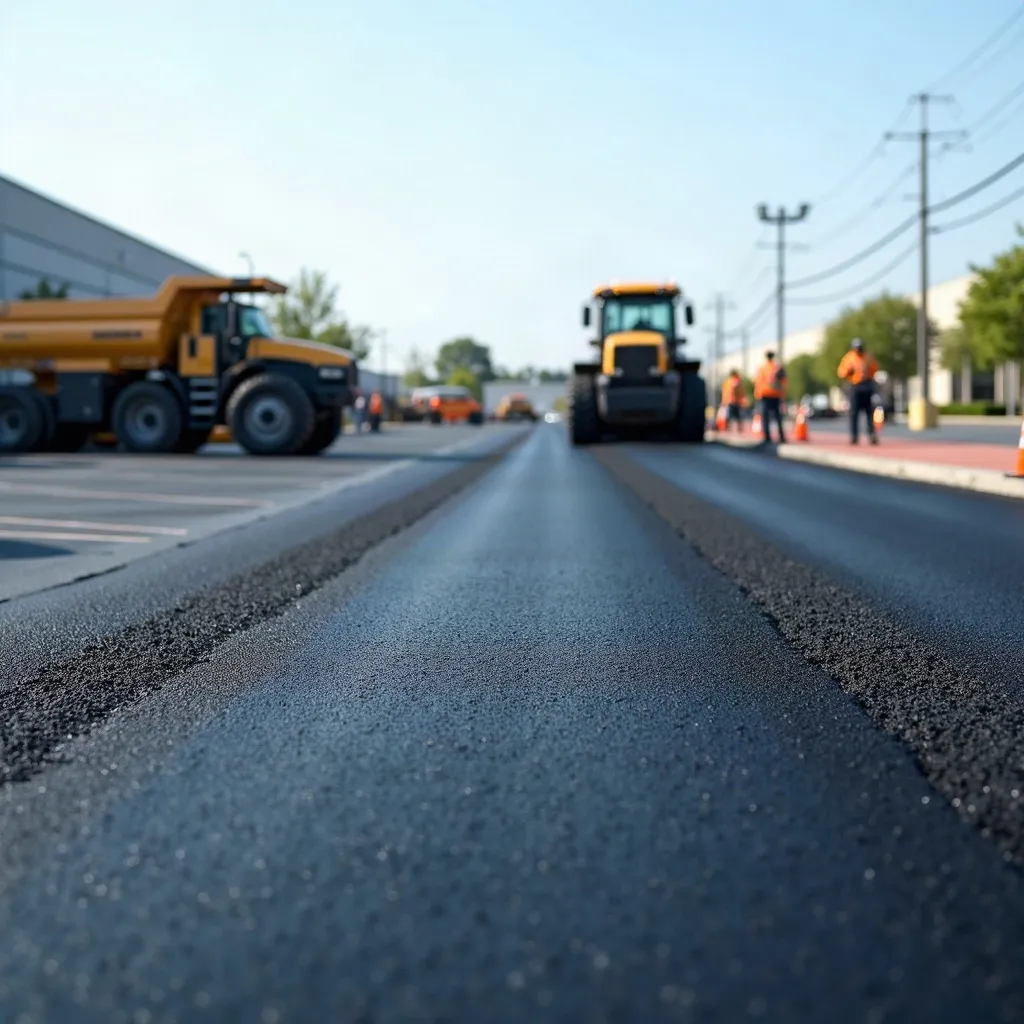
After this, the team will start by placing the chosen material, whether asphalt or concrete. Heavy machinery will generally be employed to ensure an uniform surface, and this process frequently involves multiple layers for longevity.
After the initial layer is set, it may take time to harden before additional layers are applied. During this phase, the contractor will observe the thermal and humidity levels to guarantee ideal conditions.
After the final surface is laid, it will be compacted to remove air pockets and enhance stability. Communication is essential; clients should anticipate regular updates on progress and any potential concerns.
Advice on Caring for Your Concrete Driveways for Longevity
Regular attention of paved surfaces is critical for sustaining their durability and operational efficiency.
Regular maintenance routines combined with a well-timed protective coating plan and timely fixes can greatly extend the life of the pavement.
Consistent Sanitation Practices
Standard cleaning practices greatly enhance the long-term durability of pavement. Continually sweeping away unwanted materials, such as fallen leaves and soil, thwarts the buildup of residue that can provoke blemishes and degradation.
A power washer can successfully remove stubborn stains, algae, and moss while preserving the surface's appearance. It is advisable to prevent strong chemical use that might deteriorate the pavement; instead, using mild detergents is preferred.
Dealing with spills immediately also lowers the risk of staining. Ensuring effective drainage helps avert water accumulation, which can weaken the surface over time.
Sealant Application Schedule
A consistent sealant application schedule is essential for maintaining the integrity and appearance of asphalt areas. Typically, it is recommended to apply sealant every two to three years, based on the type of surface and weather factors.
Issues such as exposure to UV rays, busy roads, and extreme weather can impact the longevity of the sealant. Before applying, surfaces should be thoroughly cleaned to remove debris and stains. This assures strong bonding and reliability of the sealant.
In addition, opting for superior sealant products can boost protection against moisture and damage. Timing applications during temperate weather can also improve results, as harsh temperatures may affect curing.
Rigorous maintenance of this schedule can markedly prolong the serviceability of paved surfaces.
Speedy Repairs and Mending
Swift upkeep and caulking are necessary for the longevity of concrete. Attending to small splits and dips promptly can forestall extensive damage, saving both resources and effort.
Frequent inspections hold vital importance; recognizing issues early creates opportunities for immediate interventions. When performing repairs, it's critical to choose superior-quality materials that coordinate with the existing surface to confirm a refined result.
Moreover, keeping proper drainage maintained is paramount to inhibit water accumulation, which can compound surface damage. Adopting a routine maintenance schedule, with sealing and cleaning involved, will strengthen durability.
In the final analysis, a forward-thinking strategy to repairs not only preserves the condition of paved surfaces but also increases their lifespan, ensuring they persist as effective and aesthetically attractive for years to come.
Frequently Asked Questions
What Timeframe Can You Expect for the Paving Process?
The paving process usually requires one to three days, depending on project size and complexity. Factors like weather conditions, ground readiness, and material choices can affect the schedule, rendering each project distinctly different in length.
What Payment Methods Alternatives Are Available?
The contractor processes various payment methods, including credit cards, cash, and checks. Moreover, financing options may be accessible, offering flexibility for clients to pick a payment choice that aligns with their financial situation.
Do You Provide Protection on Your Services?
Yes, guarantees are offered on their projects, ensuring customer contentment and confidence in the quality of supplies and workmanship. These guarantees vary by project type, delivering reassurance for customers investing in paving work.
Will you be able to supply references from former clients?
Yes, recommendations from earlier clients are obtainable upon request. They showcase the contractor's pledge to quality and customer satisfaction, presenting completed projects that demonstrate both knowledge and dependability in paving services.
What Way Do Weather Patterns Influence the Paving Schedule?
Environmental conditions greatly influence asphalt laying schedules. Rain, extreme temperatures, and humidity can delay work, impacting material curing and adhesion. Contractors must carefully monitor forecasts to adjust timelines and guarantee ideal paving conditions for durability.
Report this page